Overview
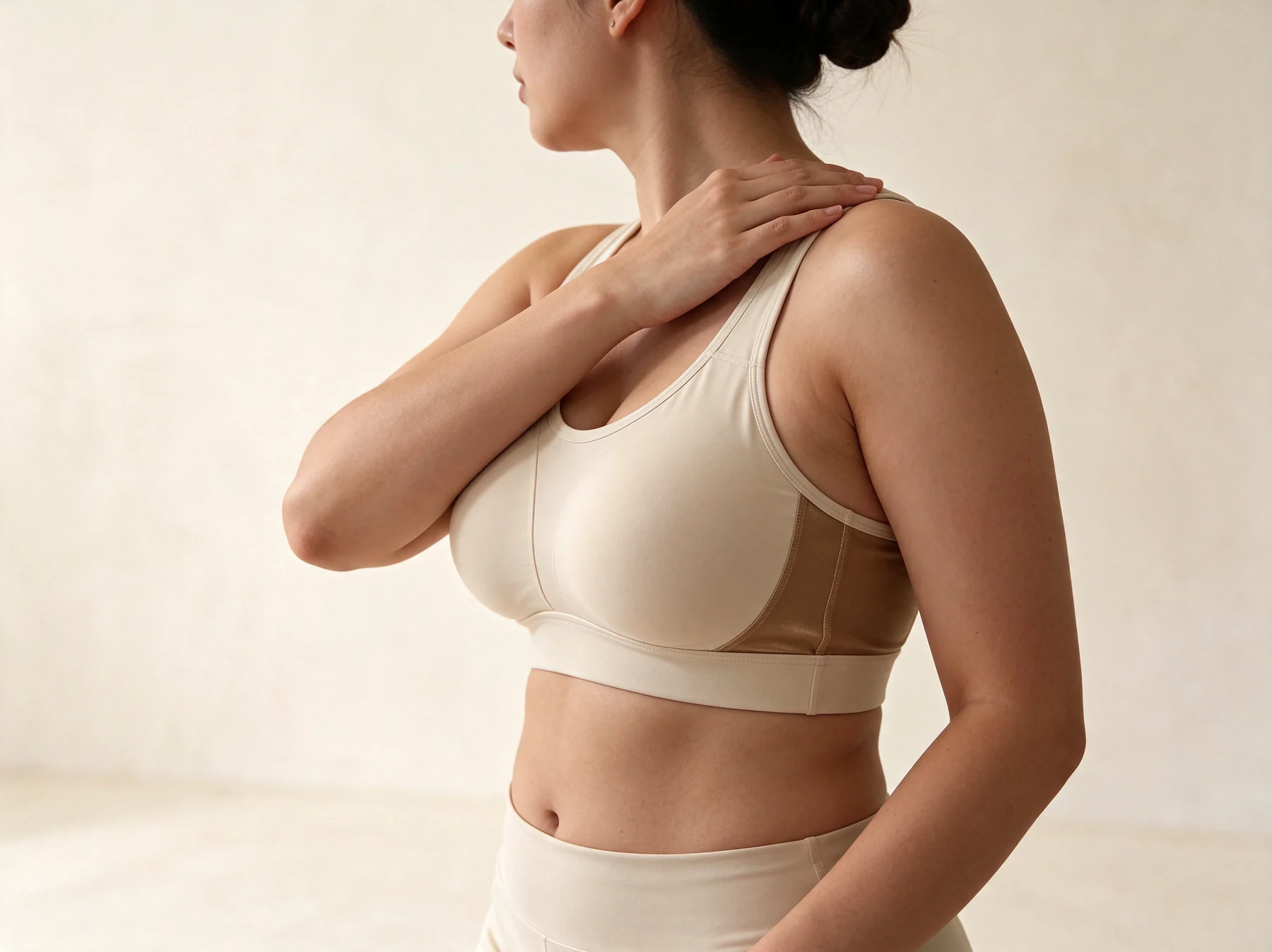
Breast reduction removes breast tissue and skin to reduce size and weight, and reshapes and lifts the breast. It is often sought for neck, back and shoulder discomfort as well as appearance.
Who it may suit
- People with heavy breasts causing physical symptoms
- Those limited in exercise or clothing by breast size
- Adults at a stable weight
Options
- Vertical ('lollipop') pattern
- Anchor (inverted-T) pattern
- Combination with liposuction
Consultation
Breast size, skin quality, nipple position and your goals are assessed. Scars, sensation and breastfeeding are discussed openly.
Preparation
- Breast imaging may be advised depending on age and history
- Stop smoking
- Arrange a supportive non-wired bra
Recovery
A support bra is worn for several weeks. Most people avoid heavy lifting for around six weeks; scars fade over many months.
Risks and complications
All surgery carries risk. Possible complications include:
- Bleeding or haematoma
- Infection
- Visible or raised scarring
- Asymmetry
- Changes in sensation
- Need for further surgery
- Anaesthetic risks
- Wound healing problems, especially at the T-junction
- Change or loss of nipple sensation
- Reduced ability to breastfeed
- Fat necrosis
- Rarely, loss of nipple tissue
Your individual risks will be discussed in detail, and you will be asked to give written informed consent.
Alternatives
- Supportive garments and physiotherapy
- Weight management
- No surgery
Guide price
| Breast Reduction | £8,500 |
Guide prices only. Your final price is confirmed in writing after consultation and depends on your individual plan.
Questions
Can I choose my final size?
Your goals guide the plan, but an exact cup size cannot be guaranteed.